
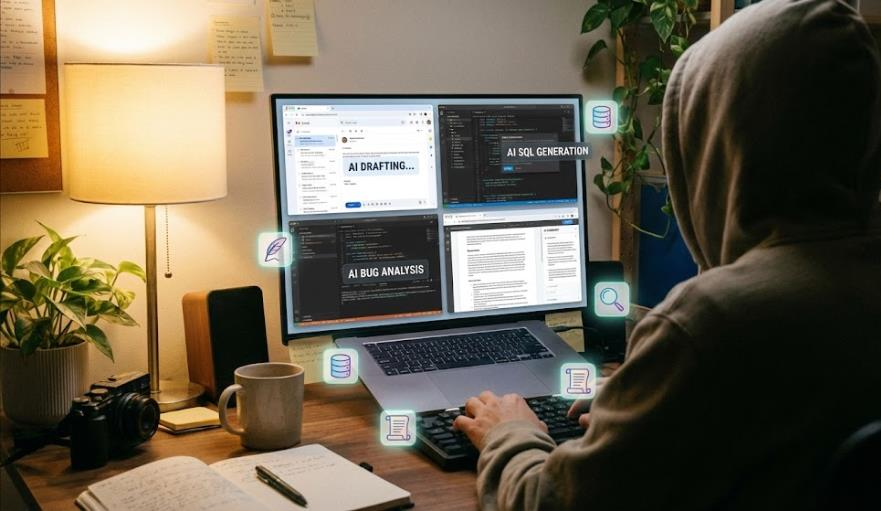
It didn't happen all at once. There wasn't a single moment where I decided, "OK, from now on, AI is part of my workflow." It crept in gradually â a suggestion here, a generated snippet there â until I realized that a significant chunk of my engineering work had quietly been augmented in ways I hadn't fully accounted for.
This is that story. The wins were real. The fails were instructive. And the lessons are, I think, broadly applicable for anyone doing technical work in 2026.
The Wins: Where AI Actually Delivered
Cloud Cost Optimization
Our AWS bill had been creeping up for months. I had a rough sense of where the waste was but not the time to audit 14 services systematically. I fed our Cost Explorer exports and a few architecture diagrams to an AI assistant and asked it to identify anomalies and suggest optimizations.
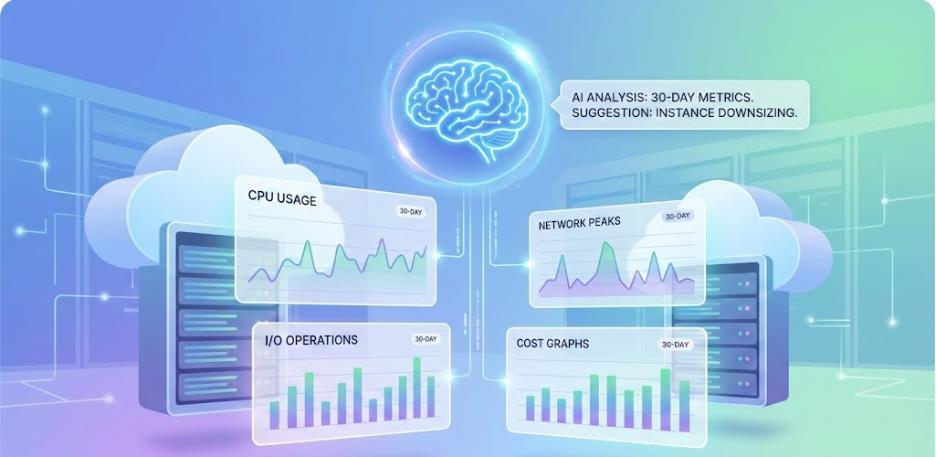
The output wasn't perfect â it flagged a few things that turned out to be intentional â but it surfaced three genuine wins: oversized RDS instances, NAT gateway costs that could be reduced with VPC endpoints, and a forgotten ElasticSearch domain we'd stopped using six months earlier. Total savings: about $2,400/month. Time invested: two hours.
AI-Assisted Plan Generation
I used to spend two to three hours writing project planning docs. Now I spend thirty minutes. I describe the project context, constraints, and goals conversationally, and the AI produces a structured first draft â complete with phasing, risk assumptions, and dependency mapping.
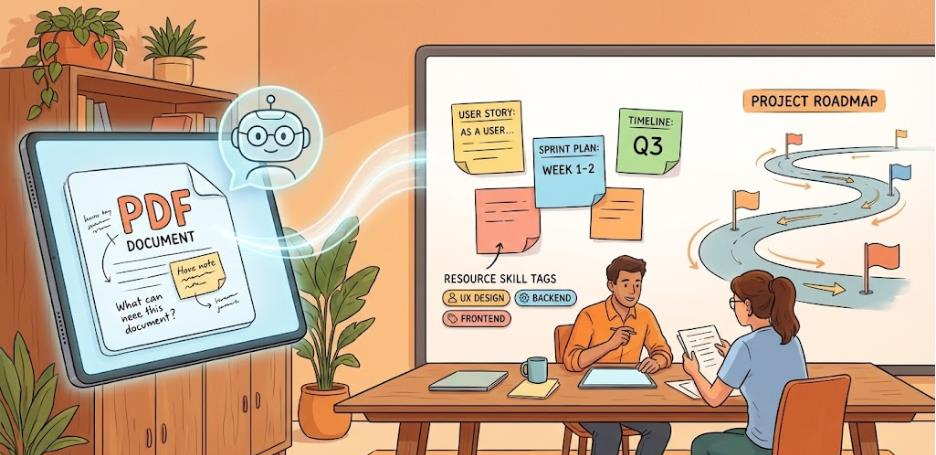
The key insight: AI is excellent at structure. It knows what a good project plan looks like. What it can't do is know your specific team's velocity, your organization's tolerance for risk, or the political dynamics of a stakeholder relationship. I provide those pieces; the AI handles the scaffolding.
Debugging with Context
The debugging wins are the ones I underestimated most. Not because AI always finds the bug â it often doesn't â but because explaining a problem to AI forces me to articulate it clearly, which frequently reveals the issue on its own. And when it doesn't, the AI's suggestions about what to look for are often directionally correct even when the exact fix is wrong.
The Fails: Where It Fell Short
Overconfidence is the primary failure mode. AI-generated code that passes superficial inspection but contains subtle bugs â off-by-one errors, incorrect assumptions about library behavior, security issues in authentication logic â has made it into review more times than I'd like to admit.
Lesson: AI-generated code requires more careful review than code you wrote yourself, not less. The fluency of the output creates a false sense of correctness.
The second failure mode is context amnesia. AI assistants don't have persistent memory of your codebase, your team's conventions, or your prior conversations (in most configurations). Every session starts cold. This means you spend non-trivial time re-establishing context, and the AI will confidently suggest things that violate your established patterns.
Lessons That Actually Stuck
- Use AI for the first 80%, own the last 20%. AI is excellent at scaffolding and structure. The subtle, context-specific decisions that make software maintainable and correct over time are still yours.
- Treat AI suggestions as a starting point, not a conclusion. Even when the output looks good, verify the assumptions. Especially in security-sensitive code.
- Invest in prompt quality. The difference between a mediocre AI output and a useful one is almost always in how the question was framed. Vague prompts produce vague answers.
- Keep a context document. A markdown file with your project's key technical decisions, conventions, and constraints that you paste at the start of AI sessions dramatically improves output quality.
The Bigger Picture
AI hasn't replaced engineering judgment. It's augmented the speed at which I can generate options, explore solutions, and produce first drafts. The judgment about which option is right, what the tradeoffs mean, and whether the output is actually correct â that's still human work.
But the engineers who figure out how to use AI well will do more, faster, with fewer mistakes. That's not a threat to the profession. It's the same thing that happened when IDEs replaced text editors and Stack Overflow replaced guessing.
The tool has changed. The craft hasn't.