How AI Quietly Became My Daily Problem-Solving Partner: Wins, Fails, and Lessons Learned
A firsthand account of how AI slipped into everyday engineering work — from cloud cost optimization and plan generation to debugging, code reviews, and the small wins that quietly add up.
It Just... Happened
Over the past year, AI has quietly slipped into my everyday engineering work. Not in a flashy, "AI will change everything" way — more like small, practical improvements that started solving very real problems. I didn't even notice the shift at first. It just... happened.
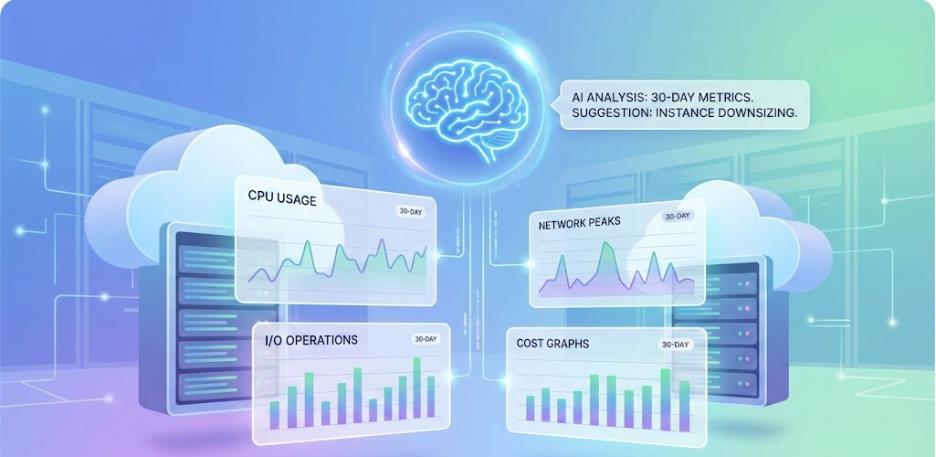
One of the earliest battles was cloud cost optimization. Anyone who's dealt with cloud billing knows the feeling — every month is a mystery box, and you're never quite sure what surprise is waiting inside. On one project, we built an AI agent to analyze 30 days of CloudWatch metrics — CPU usage, network spikes, I/O patterns — and recommend instance rightsizing.
Sounds great, right?
Well, the first version failed spectacularly.
The agent kept recommending bigger instances instead of cheaper ones. Turns out it was optimizing based on peak CPU usage rather than sustained averages. So a few short spikes convinced it that everything needed more power. Classic AI facepalm.
After a long debugging session — full of "wait, why is it doing that?" moments and some truly questionable outputs — we fixed it using weighted averages and outlier filtering. That experience alone taught us more than the initial success ever could.
The Moment That Changed Everything
There was one moment that really stuck with me. We were manually reviewing graphs, and I confidently said, "This looks fine."
Then the AI pointed out a CPU spike at 2:37 AM that none of us had noticed.
That's when it hit me: AI doesn't blink.
It doesn't get tired, bored, or overconfident. And when it works well, it turns painfully manual work into something repeatable and data-driven.
AI-Based Plan Generation — From Chaos to Clarity
Another interesting phase was building an AI-based plan generation system. The idea was simple: upload a requirement document, and the agent would extract features, generate user stories, assign skill sets, estimate effort, and even propose sprint timelines.
In theory, it was smooth.
In reality, the early days were... chaos.
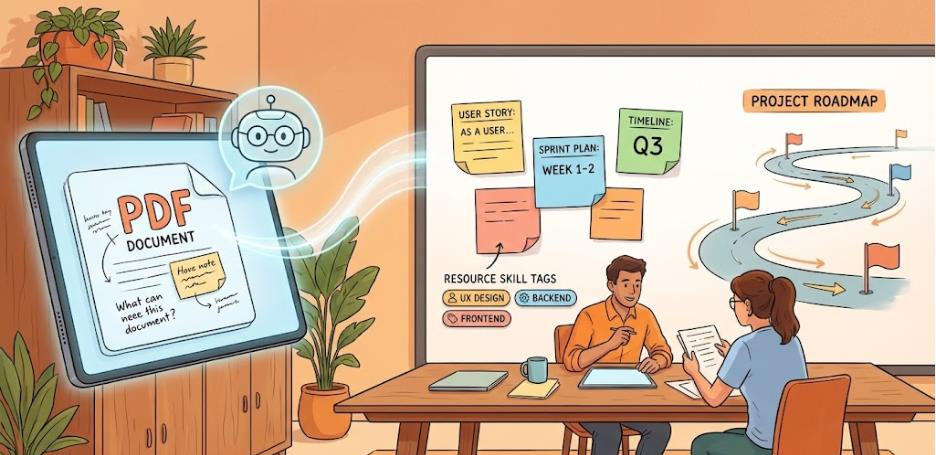
In one requirement file, the AI interpreted "The system should notify the admin" as a completely separate subsystem and proudly created a two-sprint module called "Admin Alert Management Platform."
During code review, we all lost it. Someone commented, "Bro, AI just gave us a startup idea by accident."
That's when we realized we needed stricter prompt controls and rule-based constraints before letting the agent finalize anything. Another time, it generated a user story for a feature we had scrapped six months earlier — like it was resurrecting forgotten ghosts from the backlog.
Once we tightened things up, the accuracy improved dramatically.
AI Gave Me My Weekends Back
And honestly? This tool gave me my weekends back. I used to sit with highlighters, sticky notes, and half-drunk coffee, manually breaking down requirements. Now the AI handles about 80% of the heavy lifting, and I just refine the edges.
It reinforced something important for me: AI doesn't remove roles — it removes repetitive thinking. The judgment still stays human.
The Small Wins That Quietly Drain Hours
Where AI surprised me the most, though, wasn't in big architectural decisions. It was in the small, annoying tasks that quietly drain hours from your day.
- Writing complex SQL queries.
- Generating boilerplate API code.
- Formatting JSON.
- Trying to understand someone else's cryptic function written in 2017.
You know the drill.
The Three-Hour Debugging Story
One of my favorite (and most painful) moments: I spent three hours debugging a failing API call. After trying everything, out of pure frustration, I dumped the payload into an AI tool.
Ten seconds later, it said:
"A comma is missing after line 14."
I closed my laptop and went for a walk.
Code Reviews, Documentation, and Everything In Between
Even code reviews aren't safe. Once, I pushed a PR with a variable named tempData2_final_new. The AI reviewer gently suggested, "You might want to use a name that describes its purpose."
My teammate replied with just: Fair enough.
These days, AI helps me with documentation, drafts technical emails, summarizes endless Confluence pages, writes regex (because no one should do that willingly), and even flags shaky logic before it reaches production. It feels less like a tool and more like a quiet teammate — one that nudges me when I miss something obvious or start overthinking.

Final Thoughts
If there's one thing I've learned, it's this: AI isn't here to replace developers. It's here to rescue us from chaos, repetition, and our own blind spots.
It helps with cloud cost decisions, speeds up planning, and smooths out everyday workflows. It fails. It misreads things. It occasionally invents imaginary modules or reminds me I forgot a semicolon. And that's okay.
Because the real magic of AI isn't in massive breakthroughs. It's in the small, consistent wins that quietly add up — making work a little smarter, a little faster, and a lot less stressful.
Ready to Bring AI Into Your Engineering Workflow?
Let's discuss how Xcdify can help you integrate AI into your daily development processes.
Get in Touch